


 DOI : 10.17577/
Modern architecture continues to shift towards materials that balance strength, elegance and long-term performance. Aluminium has become one of the most trusted choices for homeowners, architects and builders because it offers structural benefits that older materials struggle to compete with.
Lightweight yet powerful, flexible yet resilient, aluminium systems are transforming how contemporary buildings look and function.
Exploring the structural advantages behind these systems reveals why they’re becoming the preferred solution in homes and commercial spaces across the UK.
Exceptional Strength Without the Weight
One of the most significant advantages of aluminium is its ability to provide outstanding structural strength with minimal mass. This allows large window spans, slim door frames and expansive glazed areas without compromising stability.
Because aluminium supports weight so efficiently, designers can incorporate wider openings, taller frames and bolder architectural lines that would be difficult to achieve with heavier or weaker materials. This is a key reason why products from companies such as NOW Aluminium are so valued in modern builds.
Slimmer Profiles for More Glass and Better Views
Traditional timber or uPVC frames often require bulkier profiles to hold their shape. Aluminium, however, maintains rigidity even in very slender sections. The result is a cleaner, more modern aesthetic with much larger glass-to-frame ratios.
More glass means brighter interiors, clearer views and a stronger connection between indoor and outdoor living. This structural efficiency has become a defining feature of contemporary design.
Impressive Durability Across All Conditions
Aluminium performs exceptionally well in both residential and commercial settings because it resists warping, swelling and shrinking. Weather extremes that cause other materials to deteriorate have very little impact on aluminium’s structure.
Its resistance to corrosion, paired with high-quality powder coating, ensures that aluminium systems maintain their shape and strength year after year with minimal maintenance. This durability contributes to longer product lifespans and better overall value.
Flexibility That Supports Architectural Creativity
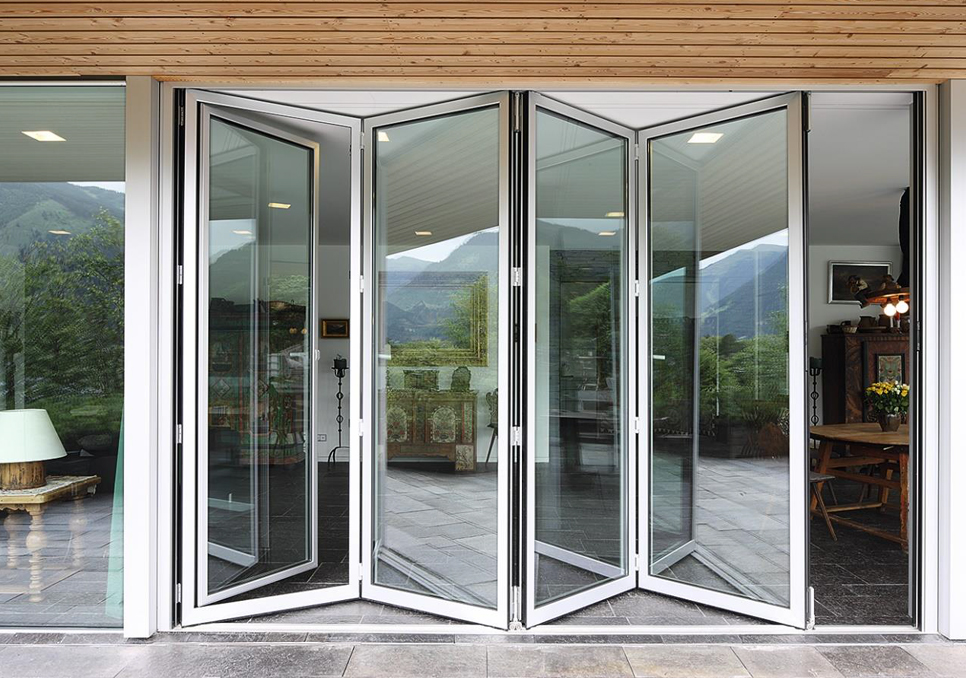
Aluminium is highly adaptable. It can be formed, shaped and configured into a wide range of designs, from large bifold door systems to unusual window angles or bespoke frames.
This versatility supports architectural creativity, giving designers freedom to push boundaries while still relying on a structurally sound material. Aluminium’s ability to combine structural reliability with creative expression is one of the reasons why it continues to dominate modern construction trends.
Superior Stability for Large Openings
Homes today often feature open-plan living, seamless transitions to gardens and expansive exterior glazing. Aluminium systems are perfectly suited to these features because they maintain stability even in wide-span constructions.
Large bifold or sliding door systems, tall fixed panes and corner windows rely on materials that can hold weight without bending or flexing. Aluminium delivers that strength consistently.
Energy Efficiency Through Advanced Engineering
Many people assume metal systems might be less energy efficient, but modern aluminium frames are engineered with thermal breaks that significantly improve insulation.
These internal barriers prevent heat transfer, making aluminium systems extremely effective at maintaining comfortable indoor temperatures throughout the year. Combined with high-performance glazing, aluminium contributes to energy-efficient homes that meet modern standards.
Minimal Upkeep with Long-Term Performance
Unlike timber, aluminium never needs repainting or intensive maintenance. It doesn’t absorb moisture or suffer from rot, and it keeps its structural integrity even in coastal environments.
This ease of care is a major advantage for homeowners who want long-lasting quality without ongoing upkeep. A simple clean periodically is usually enough to keep aluminium systems looking and performing at their best.
Sustainability for the Future of Construction
Aluminium is one of the most recyclable materials in the world. It can be reprocessed repeatedly without losing strength, making it a sustainable choice for forward-thinking designs.
Using aluminium supports environmentally conscious building practices while delivering the long-term structural reliability that modern homes require.
Final Thoughts
Modern aluminium systems bring together strength, elegance, adaptability and environmental responsibility. Their ability to support large glass areas, maintain structural stability and deliver long-term durability has made them a cornerstone of contemporary design.
As homeowners and architects continue to seek materials that elevate both form and function, aluminium remains one of the most compelling choices available.

