


 DOI : 10.17577/
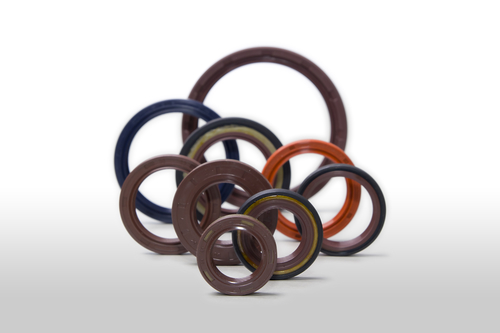
Sealing components are the unsung heroes of industrial machinery, acting as a vital barrier against leaks and external contaminants. They protect sensitive internal parts from the harsh conditions often found in manufacturing plants. A failed seal can lead to massive mechanical breakdowns.
Many organizations fall into the trap of using a one size fits all approach to these critical parts. This generic strategy often results in premature system failure because the material cannot handle the specific environment. Standard gaskets rarely provide the durability needed for long term use.
Finding the right solution requires a deep knowledge of polymer science and mechanical engineering. Working with professional Gasket & Seal Fabricators ensures that every component is tailored to the exact demands of the machine. This specific expertise prevents costly errors and extends the total life.
Material Degradation and Temperature Extremes
Evaluating chemical compatibility is a primary step in ensuring that a seal does not degrade when exposed to harsh industrial fluids. Some materials can swell or become brittle when they touch certain oils or acids. This chemical reaction destroys the physical integrity of the component.
Temperature extremes also dictate the choice between various materials like silicone or specialized neoprene. High heat can cause a standard polymer to melt, while extreme cold might make it crack under pressure. Selecting the right substance for the climate is essential for operational safety.
Modern engineering offers a wide range of polymers designed for specific thermal and chemical environments. Knowledge of how these substances behave in the real world is the key to a successful design. The right choice protects the system from the invisible threats of material degradation.
Mechanical Stress and Compression Set
Mechanical stress and high pressure put a massive burden on the physical integrity of a seal over its life. If a material is too soft, it might squeeze out of place under a heavy load. This displacement leads to immediate leaks and unexpected system failures.
Knowledge of compression set is vital for predicting how a material returns to its original shape after being squeezed. If a gasket stays flat after the pressure is removed, it loses its ability to create a tight seal. Resiliency is a core requirement for parts.
Different materials offer varying levels of recovery and resistance to permanent deformation. Testing these properties ensures that the component remains functional even after years of constant use. A durable seal must maintain its shape and tension to protect the machinery from any potential leaks.
Industry Regulations and Material Traceability
Navigating industry specific regulations is a critical part of the manufacturing process for many sectors. Food production requires FDA compliance to ensure that materials are safe for contact with consumables. This adds a layer of complexity to the selection of the base material used.
Aerospace safety standards also demand a high level of scrutiny for every component used in flight. Material traceability ensures that every part can be tracked back to its original batch of raw material. This transparency is a requirement for maintaining high quality control standards today.
Quality control in the manufacturing process prevents defective parts from reaching the assembly line. Every seal must meet strict tolerances to ensure it performs as expected in the field. Documenting these steps provides a clear record of safety and reliability for every single client.
Advanced Fabrication and Precision Tolerances
Advanced cutting technologies like waterjet and die cutting allow for precise geometric tolerances in the final product. These methods ensure that every gasket fits perfectly within its housing without any gaps. Precision is the difference between a successful seal and a very messy leak.
Utilizing custom prototypes allows for rigorous testing before a full scale production run begins. It provides an opportunity to see how a part behaves in a controlled environment. This step identifies potential design flaws early, saving time and resources during the final manufacturing phase.
High performance fabrication requires the right tools and a commitment to accuracy. Whether it is a simple circle or a complex custom shape, the final product must be perfect. Precise cutting ensures that the mechanical components operate smoothly without any unnecessary friction or failure.
Reducing Maintenance Costs Through Strategic Choices
Strategic material choices reduce maintenance downtime and operational costs by extending the life of every component. When a seal lasts longer, the entire system becomes more reliable and efficient. This focus on durability pays off through increased productivity and fewer repairs for the facility.
Operational efficiency is the result of a well managed and properly maintained mechanical system. By prioritizing quality over a low initial price, businesses can avoid the massive costs of emergency breakdowns. A durable part is an investment in the long term health of machinery.
Final reflections highlight the value of partnering with experts in high performance fabrication. Having access to specialized knowledge ensures that every decision is based on facts and engineering data. A professional approach to seals and gaskets provides a solid foundation for industrial and mechanical success.

