


 DOI : 10.17577/
Introduction to Social Media Analytics
Social media platforms have transformed into sophisticated digital ecosystems in the last ten years which produce large amounts of behavioral data. Instagram, Facebook and X and other platforms are platforms that generate a constant stream of engagement indicators such as likes, comments, shares and interactions with followers. These measurements have become necessary to comprehend communication patterns and online influence. Analytical systems are used more extensively in organizations as the size of their social networks grows to understand patterns of user behavior and engagement. Nonetheless, followership activity, especially when working with large datasets, is very difficult to observe manually. There has thus been an increasing need of automated monitoring systems capable of gathering, processing, and evaluating engagement data in a highly efficient way in the contemporary mobile computing platforms, due to the increasing complexity of online interactions.
Background on Follower Behavior Analysis
The conduct of followers is a significant measure of user activity and social network dynamics. As users subscribe or unsubscribe to accounts, they provide insights into their preferences, interests, and the extent of engagement with online information. Such developments offer useful information to both researchers and organizations seeking to understand communication trends and also to organizations seeking to understand the engagement of the audience.
The current social media analytics systems are developed to measure such trends by using data aggregation and modeling on a large scale. By analyzing user engagement, analysts can investigate the relationship between changes in followers and the posting rate, content relevance, or trends on the platform at large. The knowledge of these dynamics facilitates informed decision making as data are used by researchers and digital strategists to determine which factors will either boost or diminish online audience.
Automated Tracking Technologies
The increase in automated tracking technologies has made it much easier to track the activity on social networks. Initial analytics solutions were based on manual monitoring or basic data exports, thus preventing the possibility to examine follower dynamics in real time. Automated data collection, event detection and statistical processing has been integrated into modern software frameworks.
Advanced unfollowers tracker instagram systems utilize algorithms that continuously compare historical and current follower lists to identify behavioral changes. Solutions like the unfollowers tracker instagram show that automated monitoring systems can provide insight into changes in the number of followers and also present organized analytics to be used in further studies. These systems combine real-time analytics pipelines with mobile apps and web dashboards so that analysts can be able to track engagement metrics without having to constantly supervise this manually.
Data Collection and Processing Techniques
The effective tracking of followers requires the use of powerful data gathering strategies that can help in getting data on the behavioral aspect of distributed digital spaces. Most of the current analytics tools rely on application programming interfaces (APIs) to access the data of followers, engagement data, and profile interactions obtained via social networking services. These interfaces enable systems to obtain structured datasets within near real time.
In mobile computing systems, data gathered is usually sent to central databases where the data can be processed and analyzed. Events of engagement are registered in real-time and thus datasets are maintained at par with platform activity. After being stored in cloud-based repositories, the information can be analyzed with the help of statistical tools and machine learning frameworks. Together with scalable storage infrastructure, this mobile data acquisition is the basis of modern social network monitoring architectures.
Algorithmic Models for Follower Analysis
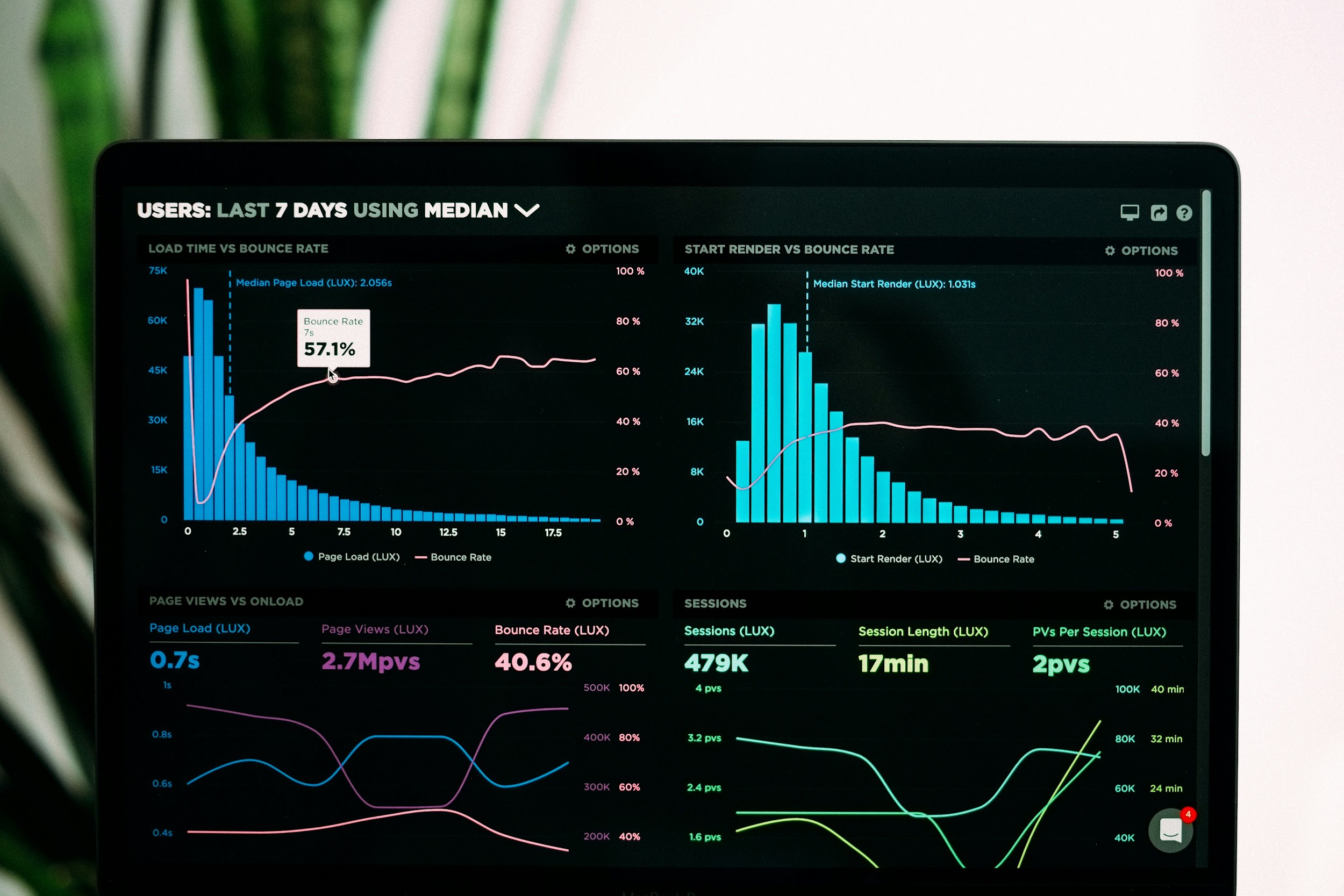
In order to process vast amounts of engagement data, researchers use algorithmic models that have the ability to draw trends in follower behavior. These methods of follower monitoring frequently depend on statistical methods like time-series analysis, clustering models, and anomaly detection. Through the analysis of past data on engagement, such models will be able to recognize recurring tendencies in the behavior of the audience and identify abnormal changes in the number of followers.
Advanced systems also have behavioral data tracking systems that classify engagement events based on user behaviour. To use an example, algorithms can find out correlations between the time when the post was made and the number of followers or investigate how a specific type of content impacts retention. Predictive modeling is an extension of these features, and it predicts the future behavior of the follower, depending on past indicators of engagement. Such models can help the analysts understand the dynamics of social networks even more.
Security and Privacy Considerations
With social media analytics applications gathering considerable amounts of user data, high-quality security levels are crucial. In contemporary monitoring systems, the processing of engagement data is often based on cloud-based analytics infrastructures that store and process this data in distributed environments. Such systems should have effective data security measures to avoid unauthorized access or misuse of sensitive data.
The security measures usually involve encrypted data communication, secured authentication measures, and regulated access rights in automated monitoring systems. In addition to this, ethical practices in data handling are vital in protecting privacy of users in the behavioral analysis process. Data protection regulations and platform policies need to be adhered to by the researchers and the developers of the analytics platforms. These safeguards will enable social media monitoring systems to retain their reliability as well as safeguarding the integrity of datasets gathered.
Conclusion and Future Research Directions
The booming popularity of digital communication platforms has resulted in a high demand for scalable systems that are capable of tracking the behavior and engagement dynamics of followers. Automated analytics systems, which are based on the mobile computing infrastructure, offer a viable solution in the gathering and analysis of data on social media interactions. These systems allow organizations and researchers to analyze audience behavior more efficiently by integrating real-time monitoring, algorithmic analysis, and providing secure data management.
The next phase of research in the given area is probably devoted to the development of artificial intelligence methods into social media analytics tools. Machine learning algorithms can be used to improve predictive performance, enabling systems to detect engagement trends and behavioral patterns more accurately. With the further development of distributed computing technologies, the next-generation analytics frameworks are likely to become even more advanced and allow to gain a better understanding of the intricate social network ecosystems.

