


 DOI : 10.17577/
Over 70% of structural and foundation performance issues trace back to early ground investigation decisions, according to widely cited industry reviews, which immediately frames why sampling strategy still deserves serious attention. Ground investigation moves fast, and sampling methods often get chosen out of habit or convenience, leaving small but costly design gaps behind. Decisions improve when three practical points stay front and center. First, ground conditions actively influence data quality, meaning soil and rock behavior shapes results more than the equipment brand ever will. Second, modern sampling tools now provide continuous, higher-resolution insight that earlier site investigations lacked, changing how uncertainty gets managed on active projects. Third, smarter alignment between sampling method and ground type reduces downstream redesign, testing repetition, and project delays that engineers quietly accept far too often. Each of these points speaks directly to civil, geotechnical, and environmental engineers working within tighter schedules and higher regulatory expectations.
Ground conditions matter more than tradition
Ground conditions shape the success of a site investigation, even though they rarely get more than a checkbox-level glance. Clay-heavy soils tend to hold their form, which makes them well suited for sampling that keeps the material largely intact for testing. That simply means the soil behaves in the lab much like it does in the ground. Sandy soils tell a different story, since particles shift easily during drilling, so samples often serve more as indicators than exact replicas. Rock adds another layer altogether, where the usefulness of the data depends on how much solid material actually makes it back to the surface. When these differences get treated as interchangeable, the result is data that looks thorough yet struggles to support real decisions. Many engineers have seen reports full of values that feel oddly disconnected from site behavior. The takeaway here is that when sampling methods follow ground behavior instead of routine, investigations begin influencing design outcomes in a measurable way.
Tools and higher-resolution data
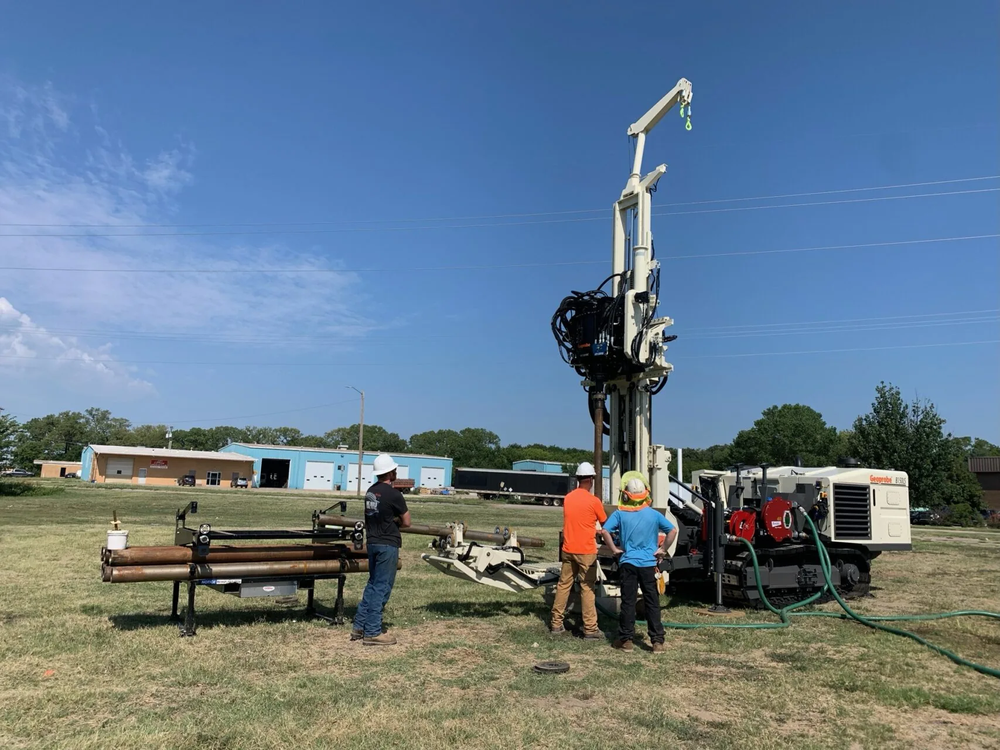
Sampling technology available nowadays supports a level of detail that earlier projects rarely achieved without excessive cost. Advancements in direct-push systems, automated logging, and hybrid drilling platforms allow engineers to collect near-continuous profiles across variable ground conditions. Continuous profiling means soil changes get captured as they occur, instead of being inferred between wide sampling intervals. The benefit here is that this approach reduces interpretive guesswork, especially in layered or transitional soils common to urban development sites. One practical example appears in modern environmental and geotechnical drilling services that integrate continuous soil sampling with real-time data tracking. Continuous sampling here refers to collecting soil along an uninterrupted depth range, which offers clearer insight into stratification and contamination pathways. The reason why this is so beneficial is because these tools support faster decisions while maintaining technical credibility, which aligns with current expectations from regulators and project stakeholders.
Cost, risk, and smarter alignment
Sampling choices shape both cost and risk on a project, even though that link rarely gets much airtime in early planning meetings. When sampling misses the mark, the fallout usually shows up later as extra testing, design revisions, or safety margins that push material quantities higher than expected. Those conservative choices feel sensible at first, yet they often cover uncertainty that smarter sampling could have clarified much earlier. When sampling methods line up with expected ground conditions, the resulting data carries more weight in design discussions. In simple terms, the results reflect how the site actually behaves, which makes decisions easier to defend. With tighter sustainability targets and efficiency benchmarks now shaping project approval, investigation accuracy carries more pressure than it did a few years ago. Engineers benefit most from strategies that deliver clarity early, reducing late-stage changes that disrupt schedules and strain budgets.
Engineering research matters most when it connects directly to decisions engineers make every day, and choosing the right sampling method sits right in that sweet spot. Ground conditions differ from site to site, modern tools now offer sharper, more continuous insight, and project expectations keep climbing—making intentional sampling strategies more valuable than ever. Studies that compare methods across soils and rock types deliver practical guidance for engineers, educators, and students alike, without drowning in theory. In other words, sampling reflects technical judgment as much as equipment choice, and research that makes that link clearer strengthens design confidence from day one. By understanding how ground behavior, modern technology, and risk management intersect, engineers can turn investigations into tools that actively shape better, more reliable projects. It comes down to thoughtful sampling selection which in turn drives measurable improvements in performance as well as decision-making.

