


 DOI : 10.17577/
Digital infrastructure is now a key part of how countries operate. It is used in healthcare, transportation, education, communication, and finance. As these systems grow and evolve, they also face more security risks. That’s why protecting digital infrastructure is more important than ever. This article explains the top trends shaping how we will protect digital infrastructure in the future.
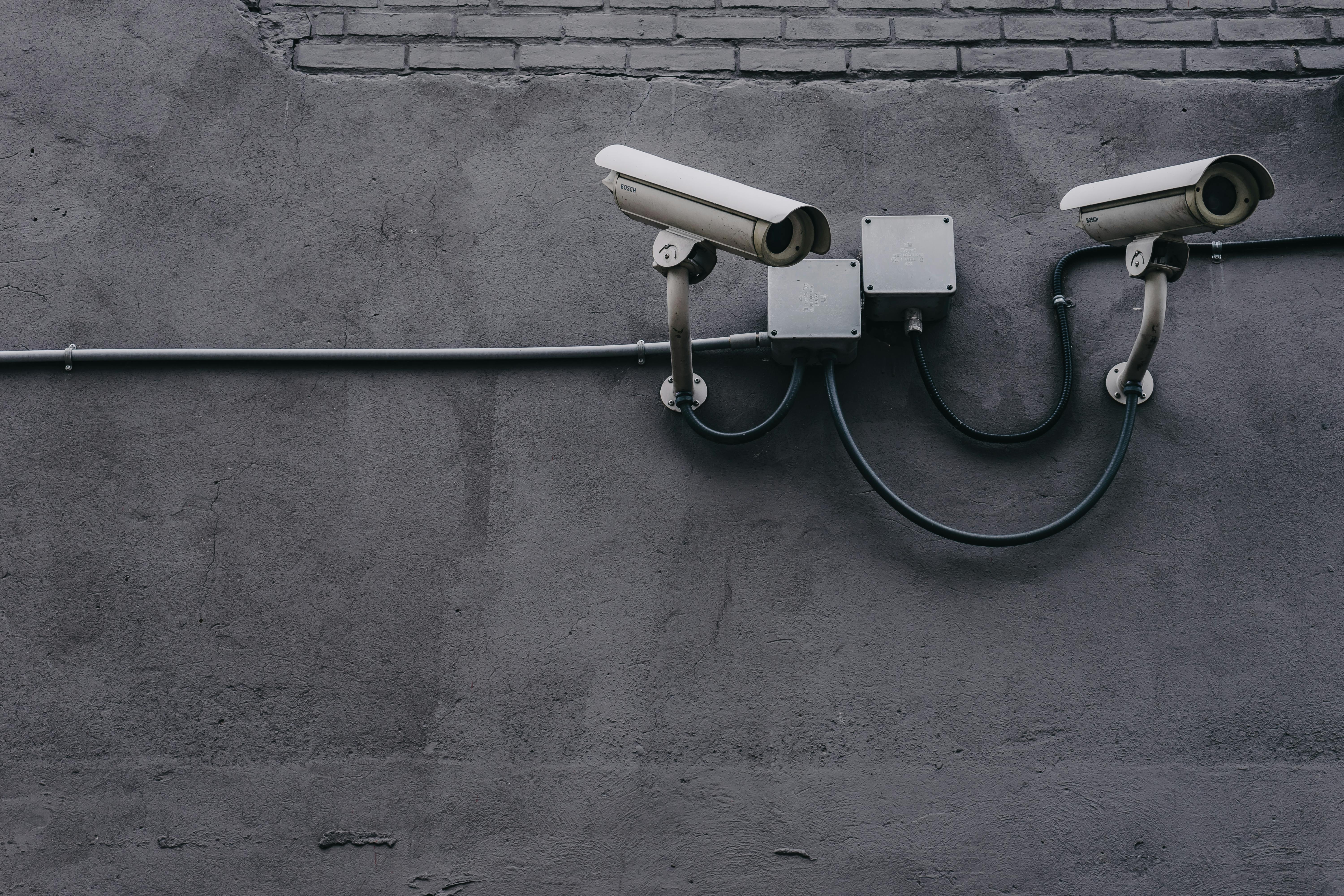
Photo by Scott Webb: https://www.pexels.com/photo/two-gray-bullet-security-cameras-430208/
1. Decentralised Infrastructure Builds Resilience
Decentralised systems are becoming more popular. Instead of one central system, services and data are shared across many locations. This approach is called a mesh network.
Main features of decentralised infrastructure:
- Local Servers: Data is processed closer to where it is needed.
- Redundancy: If one part fails, others continue working.
- Better Control: Local units can manage their systems independently.
- Higher Security: Attacks are harder when there is no central weak point.
This model helps systems remain strong and reliable even during disruptions.
2. Artificial Intelligence Helps Detect Threats
Artificial Intelligence (AI) is helping improve digital infrastructure protection. AI can quickly analyse data, detect threats, and respond to issues.
How AI supports protection:
- Quick Detection: AI finds signs of attacks earlier.
- Faster Response: It reacts to problems automatically.
- Cost Savings: Less need for manual work.
- Better Choices: AI helps leaders make smart, data-based decisions.
AI is already being used in healthcare, emergency response, and city services.
3. Zero-Trust Security is Becoming Standard
The zero-trust model is now widely used. It does not trust any user or device automatically. Everyone must prove they are safe before gaining access.
Zero-trust principles include:
- Verify Everyone: No one is trusted by default.
- Limit Access: People only get access to what they need.
- Separate Systems: If one part is attacked, others stay safe.
- Constant Checks: The system watches for new threats all the time.
This method provides a strong and modern way to prevent cyberattacks.
4. National Cloud Systems Promote Digital Sovereignty
More countries want to control where their data is stored and how it is protected. National cloud systems allow governments to keep their data within their own borders.
Reasons for this trend:
- Privacy Laws: Some countries require local data storage.
- Security: Protects sensitive information from foreign access.
- Better Oversight: National control means more responsibility and transparency.
This helps build safer and more trusted digital environments.
5. Real-Time Cybersecurity Improves System Safety
Cyber threats are always changing. Real-time security tools help systems respond faster and more accurately.
Effective real-time security tools:
- Threat Detection Systems: Identify risks as they happen.
- Automated Actions: Block attacks without delay.
- Small Network Sections: Limit the spread of damage.
- Built-In Security: Protect systems from the start of development.
Organisations that use the best network security monitoring tools can improve their ability to detect and respond to threats, especially in large and distributed systems.
6. Edge Devices and IoT Need Extra Protection
Edge computing means data is processed close to where it is created. This includes smart devices like traffic sensors, home thermostats, and factory equipment.
Why this matters:
- More Devices: More places for attacks to happen.
- Low Delay: Data is used quickly to make decisions.
- Harder to Control: Managing many small devices is complex.
- More Entry Points: Each device could be a risk if not secured.
Securing these devices is a growing part of protecting infrastructure.
7. Government Regulations Are Getting Stronger
Governments are making new rules to protect systems. These rules cover data sharing, privacy, and cybersecurity.
Some changes include:
- Zero-Trust Mandates: Required in some sectors.
- Data Localisation Laws: Limit where data can go.
- Reporting Rules: Companies must report breaches quickly.
- Security Audits: Systems are checked regularly.
These changes help everyone follow the same basic safety rules.
8. Sustainability is a Core Concern
Digital systems use energy. Making them sustainable helps protect the planet and makes them more reliable.
Ways to improve sustainability:
- Renewable Energy: Data centres powered by solar or wind.
- Energy Efficiency: Reduce power use where possible.
- Recycling Hardware: Reuse old equipment responsibly.
- Green Design: Build systems to last longer with less impact.
Combining security and sustainability ensures systems can work for a long time without harm.
9. Public and Private Partnerships Make Protection Stronger
Governments and businesses are working together. These partnerships help fund, design, and build better infrastructure.
Advantages of partnerships:
- More Funding: Businesses help pay for projects.
- Faster Results: Working together saves time.
- Access to Expertise: Private companies bring skills and tools.
- Shared Risk: Everyone works together to solve problems.
This teamwork helps build systems that are safe, strong, and up to date.
10. Planning for the Future
Digital protection is not a one-time fix. It is a long-term process. Systems must be ready to change and improve over time.
Key steps include:
- Flexible Design: Systems that grow and adapt.
- Staff Training: Workers must know how to spot threats.
- Data Use: Decisions should be based on facts.
- Open Standards: Different systems must work well together.
Preparing now helps reduce future risks.
Conclusion
Digital infrastructure must be protected carefully. Trends like decentralised systems, AI, and zero-trust security are guiding this work. By focusing on strong security, new technology, and cooperation, we can build digital systems that are safe, secure, and ready for what comes next.

