


 DOI : 10.17577/
Churches, synagogues, mosques, and other places of worship are sacred spaces that provide a sense of safety, community, and peace. However, ensuring the physical security of these institutions is more important than ever. With rising concerns over theft, vandalism, and even threats to safety, religious institutions are increasingly adopting advanced security camera systems to protect their properties, congregation members, and staff.
As we move into 2025, the church security systems of the future are not just about surveillance—they are about leveraging cutting-edge technologies like AI-powered video analytics, real-time alerts, and remote monitoring to provide smarter, more efficient protection. This guide will explore the top features to look for when choosing a church security camera system to ensure that your religious institution remains safe, secure, and welcoming for all.
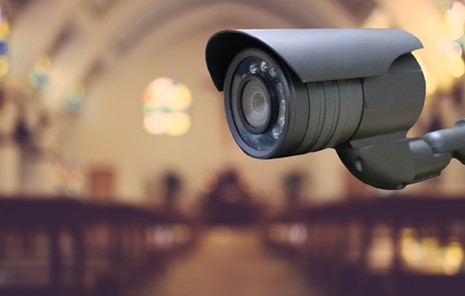
1. Real-Time Monitoring for Enhanced Security
One of the most important features of a church security camera system is the ability to monitor footage in real time. This allows security teams or authorized personnel to keep an eye on all areas of the church, including entrances, parking lots, and sensitive areas like storage rooms and offices. Real-time monitoring, such as the one provided by Coram’s AI-powered security systems, ensures that any potential security threats can be addressed immediately. By integrating Coram’s advanced video surveillance technology, churches can maintain constant vigilance and respond swiftly to any suspicious activity, offering an added layer of protection for the congregation and staff.
How It Works:
- Live Feed Access: With real-time monitoring, authorized personnel can access live video feeds from security cameras through a smartphone, tablet, or computer. This allows for immediate response to any unusual activity.
- Instant Response to Alerts: If suspicious activity is detected (e.g., unauthorized access to restricted areas), security teams can respond quickly, either by dispatching security staff or alerting local authorities.
Why It Matters:
- Quick Incident Response: Real-time monitoring ensures that issues are addressed promptly, minimizing the risk of escalation.
- Peace of Mind: Church leaders, staff, and congregation members feel safer knowing that their worship space is constantly being monitored.
2. AI-Driven Alerts and Video Analytics
In 2025, AI-driven video analytics are revolutionizing church security systems. Traditional cameras merely record footage, while AI-powered systems can analyze that footage in real-time to detect specific events, such as unauthorized entry, loitering, or suspicious behavior.
How It Works:
- Object Detection: AI algorithms can distinguish between different objects (e.g., vehicles, people) and identify potential threats, such as intruders or unattended packages.
- Behavior Recognition: AI video analytics can also detect unusual behavior, such as someone staying too long in a restricted area or moving erratically, triggering an instant alert to security personnel.
Why It Matters:
- Reduced False Alarms: AI systems significantly reduce false alerts by only sending notifications when actual threats are detected, improving the efficiency of security operations.
- Proactive Security: With AI analysis, security teams can proactively identify potential security breaches before they escalate, helping maintain a safe environment.
3. Scalable Surveillance Solutions
A scalable security camera system is essential for any growing church or religious institution. As your congregation grows and your facilities expand, you’ll need a system that can easily accommodate additional cameras or monitoring points.
How It Works:
- Modular Design: Modern security systems are designed to grow with your needs. You can start with a basic setup and expand it by adding more cameras or monitoring stations as necessary.
- Cloud-Based Storage: Many church security systems now offer cloud-based storage, allowing for seamless scalability without the need for costly hardware upgrades.
Why It Matters:
- Future-Proofing: A scalable system ensures that your church’s security remains robust as it grows, without requiring a complete overhaul of the existing setup.
- Flexible and Cost-Effective: Churches can scale their security needs up or down, depending on their budget and requirements, without unnecessary financial strain.
4. Cloud-Based Storage and Remote Access
Cloud-based storage is increasingly popular in modern church security systems. With cloud storage, you can store large amounts of video footage securely online, giving you easy access to past recordings and real-time data.
How It Works:
- Centralized Storage: Footage from all cameras can be uploaded to the cloud, ensuring that videos are stored safely, and allowing you to access them from any device with internet access.
- Remote Viewing: Whether you’re at home or on vacation, cloud-based systems allow church leaders or security teams to remotely view live footage or retrieve archived recordings.
Why It Matters:
- No Physical Storage Limits: With cloud-based solutions, the amount of video data you can store is virtually unlimited, and you don’t need to worry about running out of space.
- Convenient Access: Remote access to video footage means that security personnel or leaders can monitor the church from anywhere, improving response times and oversight.
5. Integration with Other Security Systems
In 2025, churches are increasingly looking for integrated security solutions that work together to offer more comprehensive protection. A security camera system should not function in isolation. It should integrate seamlessly with other systems like access control, alarm systems, and fire detection to create a unified security platform.
How It Works:
- Integration with Access Control: Security cameras can be connected with access control systems (such as keycards or biometric scanners) to verify identities before granting access to certain areas of the church.
- Alarm and Fire Systems: Cameras can be linked with alarm systems to trigger alerts if motion is detected in restricted areas or if fire or smoke is detected, enabling a quick response.
Why It Matters:
- Comprehensive Protection: Integration with other systems ensures a coordinated response to various threats, such as unauthorized entry or fire emergencies.
- Streamlined Operations: With a unified security system, church staff and security teams don’t have to manage multiple systems separately, making security more efficient.
FAQs
Q1: Why should churches invest in AI-driven security cameras?
- AI-driven cameras provide enhanced threat detection by analyzing video footage in real time. They can identify suspicious behavior, unauthorized entry, and other potential risks, helping churches respond proactively to threats.
Q2: What features should I look for when choosing a security camera system for a church?
- Look for features like real-time monitoring, AI-powered analytics, cloud-based storage, remote access, and scalability. These features will provide robust and flexible protection for your church.
Q3: Can I monitor my church security cameras remotely?
- Yes, with cloud-based security systems, you can access live footage and archived videos from anywhere, providing peace of mind even when you’re not on-site.
Q4: How does AI enhance church security?
- AI video analytics can detect specific threats like loitering, suspicious behavior, or unauthorized access. It reduces false alarms and ensures a more efficient response to real threats.
Q5: Are cloud-based security systems secure for storing sensitive footage?
- Yes, cloud-based systems often use encryption and secure storage protocols to ensure that footage is safe from unauthorized access. They also offer backup options, ensuring data is not lost.
Conclusion
As churches and religious institutions face evolving security challenges, it’s essential to adopt modern security solutions that provide comprehensive protection. The top features of a church security camera system—such as real-time monitoring, AI-driven alerts, cloud-based storage, and system integration—are crucial for maintaining a safe environment for worshippers and staff.
By investing in these technologies, churches can not only comply with safety regulations but also create a welcoming and secure atmosphere for their congregants. As technology advances, church security systems will continue to evolve, offering smarter, more efficient ways to protect these sacred spaces.

