


 DOI : 10.17577/
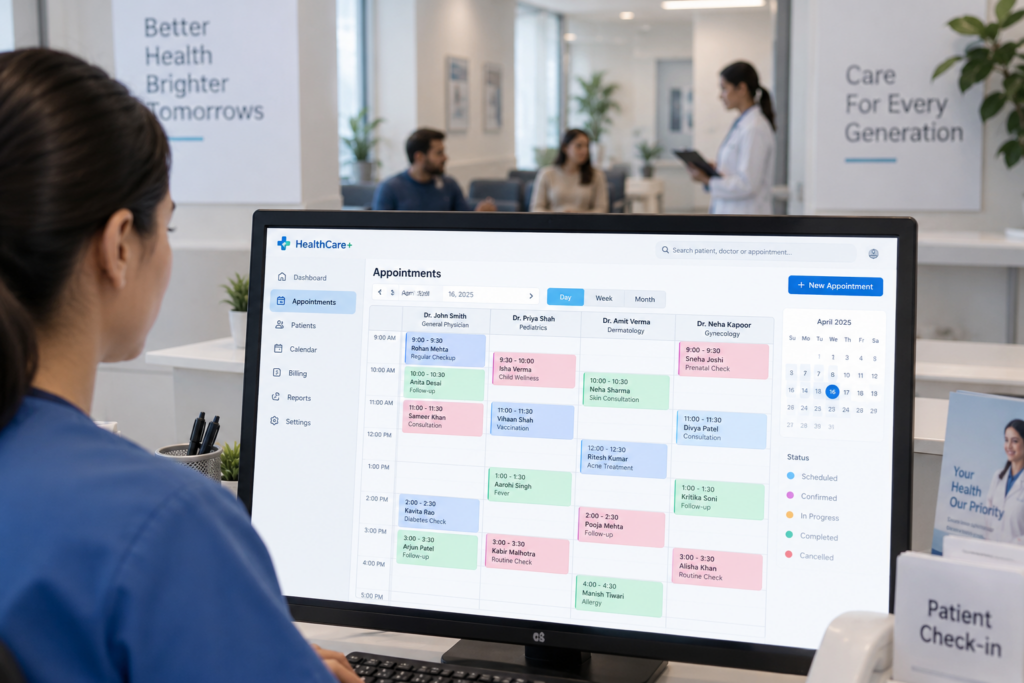
At 9 a.m., a clinic sees a full appointment calendar. By noon, two patients have cancelled and another has failed to arrive. Those empty slots represent time that cannot easily be recovered. At home, a cancelled outdoor plan creates a much smaller version of the same problem: several unexpected hours and no idea how to use them.
Downtime is rarely the problem by itself. What matters is whether people have enough visibility and flexibility to do something useful with it.
Empty appointment slots cost more than an empty chair
A cancellation affects more than the patient who did not arrive. The clinician’s time has already been reserved, rooms may have been allocated, and staff have planned the day around that appointment.
Good clinic scheduling software helps practices respond earlier. Automated reminders can reduce forgotten appointments, while cancellation tools can release unwanted slots before the appointment begins. Online booking gives another patient a chance to take the opening.
Waitlists become particularly useful here.
Suppose a dermatology clinic receives a cancellation for Thursday afternoon. Several patients have appointments three weeks away but have indicated they would accept an earlier opening. Staff should be able to identify suitable patients quickly or trigger a message offering the slot.
That is much better than working through a handwritten cancellation list at reception.
Scheduling rules matter more than a pretty calendar
Clinics have constraints that ordinary calendars do not understand.
A new-patient consultation might require 45 minutes while a follow-up takes 15. Certain procedures need a specific room. Some appointments require particular equipment or clinicians with particular qualifications.
Clinic scheduling software becomes valuable when it can account for those rules during booking.
Otherwise, staff become the rule engine. They remember that Dr. Patel only performs a particular procedure on Tuesdays or that a certain room cannot be booked for two treatments simultaneously.
That knowledge becomes risky when somebody is absent.
The scheduling system should carry as much repeatable operational knowledge as reasonably possible. Staff can then spend their attention on unusual cases that genuinely require judgment.
Sometimes downtime deserves to stay downtime
There is an instinct to treat every open hour as wasted capacity. That thinking does not transfer particularly well from business to personal life.
A rainy Saturday does not need a productivity target.
People searching for what to do on a rainy day often have plenty of indoor options already available. The useful choice depends on whether the afternoon calls for activity, company, or genuine rest.
Cook something that takes longer than a weekday meal. Set up a board game. Put on a film everyone has somehow missed. Sort through old photographs with family members. Try karaoke in the living room. A solo afternoon could be spent reading, gaming, learning a song, or finally starting the 1,000-piece puzzle sitting in a cupboard.
The best plan is often the one requiring the least logistical effort.
A little preparation creates more options
Downtime becomes awkward when the response starts from zero.
Clinics can prepare for cancellations by maintaining waitlists, setting reminder schedules, and giving patients a clear way to cancel or reschedule. A slot that opens 24 hours ahead is far easier to refill than one discovered ten minutes after the patient was expected.
Home life benefits from lighter preparation.
Keep a few activities available that do not require a shopping trip. Board games, baking ingredients, craft supplies, books, streaming watchlists, and simple exercise equipment can turn an abandoned outdoor plan into several decent alternatives.
This does not require planning every rainy afternoon in advance. It simply removes the first hour of everybody asking what they should do.
Notifications help when they lead to action
More reminders are not automatically better.
A clinic could send an appointment confirmation, a reminder three days before the visit, another the night before, and a final message that morning. At some point, useful communication becomes noise.
Each message should have a purpose. A reminder sent far enough in advance should make rescheduling easy. A waitlist notification should tell the patient which appointment became available and how long they have to claim it.
Personal planning works similarly. If the forecast says rain all weekend, deciding what to do on a rainy day before Saturday morning can save a household from defaulting to separate screens for six hours.
The objective is not to schedule every minute. It is to make the next useful choice obvious.
Good systems create room for better decisions
Time will always open unexpectedly. Patients cancel. Meetings finish early. Weather ruins plans. Someone arrives late.
Trying to eliminate every idle period creates its own problems. Clinics need breathing room for overrunning appointments and urgent cases. People need afternoons where nothing particularly productive happens.
The smarter approach is knowing when an empty block deserves action and when it can simply remain open. Once that distinction becomes clear, downtime stops feeling like something that always needs fixing.

