


 DOI : 10.17577/
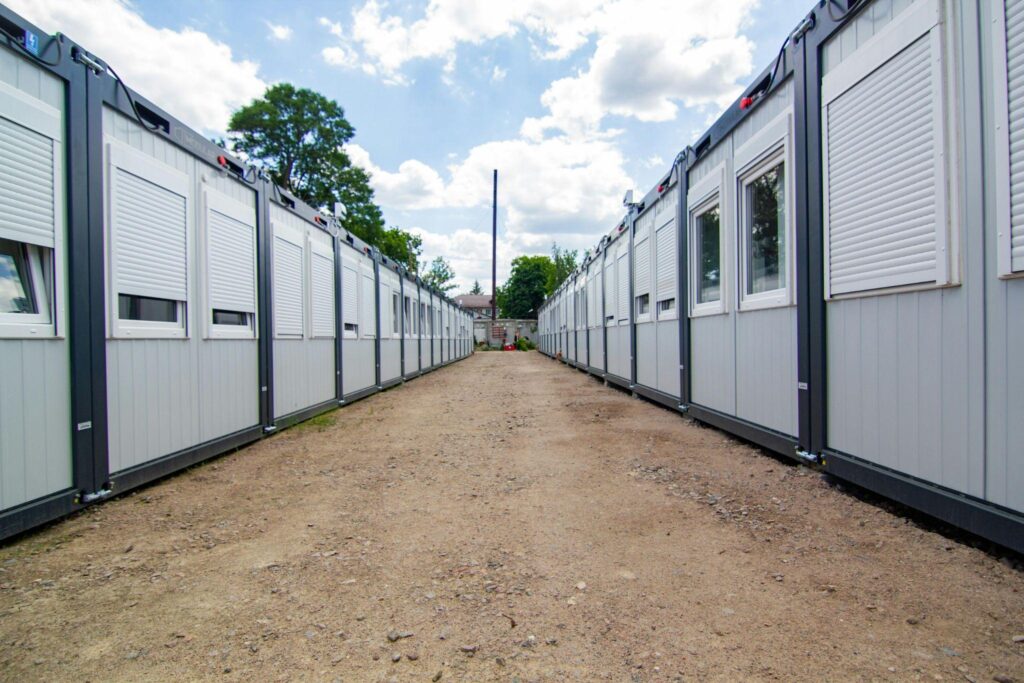
Portable industrial units are increasingly used for warehousing, temporary logistics operations, modular manufacturing, mobile storage systems, and container based facilities. Although these environments are generally discussed from a structural engineering perspective, many operational decisions follow a protocol based assessment model similar to clinical risk management systems. The objective is to reduce variance, improve predictability, document performance conditions, and maintain stability across changing load environments. A systematic approach becomes particularly important when units support dense inventory, modular storage layouts, and high repetition material movement.
Pre Installation Assessment Framework for Structural Capacity
The first stage involves assessment and documentation before storage systems, racking, or equipment placement begins. Similar to pre treatment evaluation in dermatology where skin barrier status influences procedural tolerance, industrial units require baseline structural assessment to identify load tolerance and stress distribution capability.
Recommended evaluation categories include:
- Floor slab thickness and reinforcement profile
- Point load capacity beneath rack supports
- Dynamic load exposure from forklifts or pallet movement
- Ceiling clearance for vertical storage expansion
- Moisture exposure risk and environmental variation
- Wall and frame deformation limits
- Existing wear patterns and structural irregularities
Failure to establish baseline measurements often leads to uneven stress transfer, localized compression, and reduced storage performance.
For example, portable units supporting steel inventory may demonstrate acceptable average loading values while still exceeding point load tolerance beneath concentrated rack legs. This mirrors localized inflammatory response patterns in dermatology where regional overload produces site specific complications despite acceptable overall conditions.
Load Distribution and Functional Stability Analysis
Load management should focus on distribution rather than absolute weight alone. Concentrated loading creates structural strain similar to barrier disruption where repeated exposure causes cumulative instability.
Key load categories include:
Static Loads
These represent permanent forces generated by:
- Structural frames
- Fixed shelving systems
- Reinforced wall panels
- Mechanical installations
- Permanent storage infrastructure
Dynamic Loads
Dynamic exposure develops through:
- Forklift movement
- Conveyor systems
- Repetitive pallet transfer
- Rolling machinery
- Vibrational equipment activity
Repeated dynamic exposure increases fatigue risk and may alter long term floor performance.
Point Loads
Point loading commonly occurs beneath:
- Rack uprights
- Machinery feet
- Generator mounts
- High density pallet stacks
- Modular storage columns
Documentation of point load mapping should occur before operational deployment.
Sequential Workflow for Vertical Storage Planning
Ceiling height assessment follows structural review because vertical expansion directly affects load concentration and equipment movement.
The workflow generally includes:
- Record current storage height requirements.
- Estimate future inventory growth.
- Measure forklift extension limits.
- Document lighting clearance zones.
- Review fire protection spacing.
- Confirm overhead obstruction locations.
Units with limited clearance frequently experience operational restrictions despite acceptable floor performance.
Practical observation shows that facilities designed only around immediate storage needs often require early modification. Conservative planning improves predictability and reduces expansion related costs.
Environmental Monitoring and Material Protection Protocols
Portable industrial units frequently support products requiring stable environmental conditions. Storage planning therefore extends beyond weight calculations.
Moisture fluctuation, temperature shifts, and restricted airflow influence material preservation. This is especially relevant when storing packaged goods, archive materials, equipment components, or inventory awaiting redistribution.
In logistics operations, facilities using container based storage solutions around Brisbane regions often incorporate environmental monitoring because portable units may experience varying external conditions. Structured use of container storage near Brisbane facilities allows inventory segregation while maintaining organized load distribution and reducing localized floor stress.
This approach supports operational stability without altering structural balance.
Structural Monitoring and Variance Reduction Measures
Continuous monitoring improves outcome consistency. Similar to post procedure review in clinical settings where recovery patterns are documented, portable units benefit from repeated structural observation.
Suggested monitoring indicators include:
- Surface cracking progression
- Rack alignment changes
- Floor settlement patterns
- Door frame movement
- Fastener loosening
- Vibration transmission shifts
- Moisture accumulation zones
Periodic documentation creates trend visibility and supports preventive maintenance.
For example, slight rack deviation may indicate early floor compression rather than installation error. Early recognition reduces corrective workload.
Lighting Configuration and Functional Accessibility
Lighting systems influence more than visibility. Inadequate placement affects access routes, inspection quality, and material handling safety.
Assessment should include:
- Vertical illumination coverage
- Shadow development beneath upper racks
- Access aisle visibility
- Emergency path lighting
- Equipment operating zones
Poor lighting may increase handling errors and reduce operational precision.
The relationship resembles imaging systems used in facial biometric analysis where illumination quality influences recognition accuracy. Likewise, warehouse visibility affects identification efficiency and movement control.
Post Installation Review and Operational Recovery Monitoring
Following deployment, units require structured reassessment. The objective is not immediate modification but performance stabilization.
Recommended review intervals:
Initial Phase
- Week 1 inspection
- Rack settlement evaluation
- Load verification
- Surface monitoring
Intermediate Phase
- Thirty day alignment review
- Dynamic stress reassessment
- Environmental condition checks
Long Term Phase
- Quarterly load mapping updates
- Expansion suitability analysis
- Structural tolerance review
This staged process improves consistency and limits unexpected variation.
Conclusion
Load bearing design in portable industrial units performs best when approached through systematic assessment, documentation, monitoring, and conservative expansion planning. Structural capacity, environmental stability, load distribution, and operational accessibility function as interconnected systems rather than isolated components.
A protocol driven model improves predictability by identifying variance early, supporting balanced load transfer, preserving storage efficiency, and maintaining long term operational stability. Consistent assessment, evidence based documentation, and monitored performance remain the most reliable methods for reducing structural risk while supporting future growth requirements.

