


 DOI : 10.17577/
A deep-shaft mine hoist descending two thousand feet relies on massive electric motors to drive tons of raw material upward at breakneck speeds. An emergency stop protocol during this operation creates immense kinetic energy. That energy requires an immediate and safe dissipation path. Without precise hardware intervention, the regenerated power floods the direct current bus. This sudden high-voltage surge destroys the variable frequency drive and halts the entire mining operation for weeks.
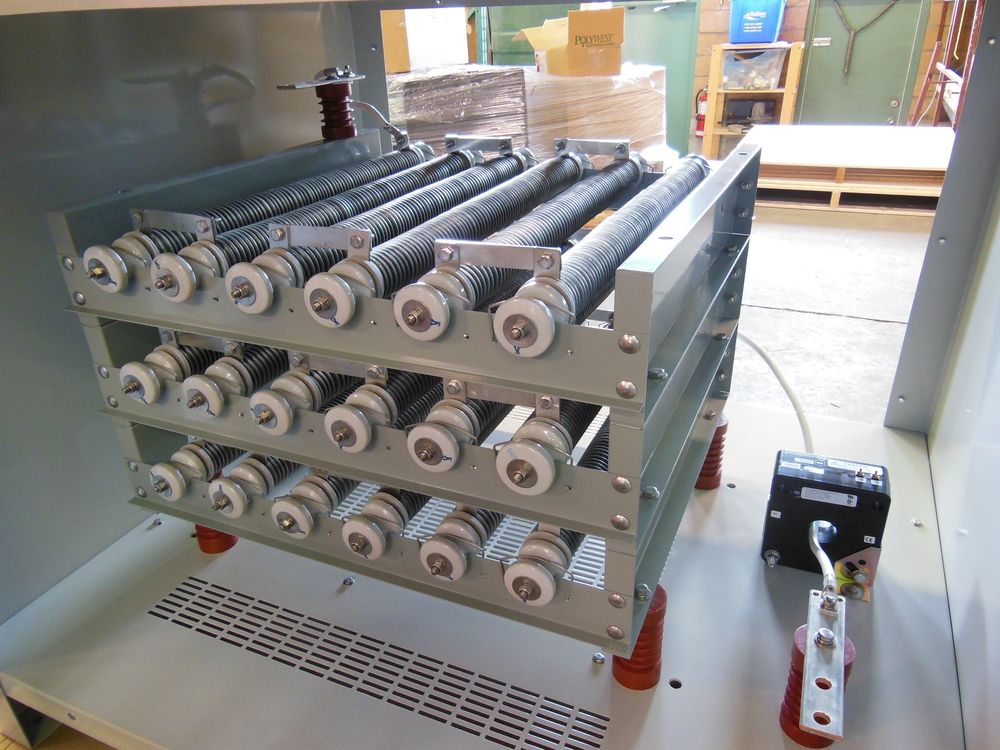
Preventing this catastrophic failure relies entirely on a specifically engineered bank of heavy-duty dynamic braking resistors. These protective components silently absorb the massive electrical load. Their internal alloy elements convert the dangerous electrical surge into harmless ambient heat to bring the hoist to a smooth and controlled stop.
Achieving this flawless mechanical intervention requires meticulous upfront engineering. Specifying these braking and grounding resistors demands a rigorous understanding of system voltage, thermal dynamics, and expected fault conditions. Engineers must carefully balance physical footprint constraints with the necessary thermal mass to guarantee absolute reliability under extreme stress. This critical selection process dictates the long-term stability of the entire industrial electrical network. A poorly specified resistor introduces severe vulnerabilities capable of causing catastrophic equipment failure and extended unplanned downtime.
Thermal Dynamics in Dynamic Braking Applications
Dynamic braking resistors integrate directly into variable frequency drive control systems. They absorb the kinetic energy generated during the rapid deceleration of heavy rotating machinery. A large motor acting as a generator during deceleration feeds power back into the drive network. Lacking a designated dissipation path causes a high-voltage fault on the direct current bus. This sudden surge forces the drive to trip offline and completely halts the mechanical process.
Engineers specify braking resistors based on the expected duty cycle and the peak braking torque required by the specific application. High-inertia loads, including industrial centrifuges, overhead bridge cranes, and downhill conveyors, demand resistor banks with substantial thermal capacity. The internal resistor elements must withstand rapid heating and cooling cycles without suffering structural degradation.
Manufacturers typically utilize robust stainless steel or nickel-chromium alloys to maintain stable resistance values across extreme temperature gradients. Proper enclosure ventilation remains critical to prevent ambient temperature escalation within the electrical room. Engineers must calculate the required airflow and specify appropriate louvered enclosures or forced-air cooling systems to maintain safe operating temperatures.
Fault Handling Through Neutral Grounding Systems
Consider a newly commissioned electrical substation powering a continuous manufacturing facility. An unexpected insulation failure within a primary transformer creates a sudden phase-to-ground fault. Unrestricted fault currents in this scenario would immediately melt the transformer windings and trigger a devastating arc flash. This catastrophic event would endanger nearby technicians and cause massive equipment damage.
Preventing this disaster requires connecting the neutral point of the transformer directly to the earth through a precisely calibrated resistance path. Neutral grounding resistors restrict the magnitude of these ground fault currents to a safe and predetermined level. Engineers utilize high-resistance grounding to limit the current to ten amperes or less. This specific configuration allows the mechanical process to continue operating safely while alarms notify maintenance personnel to locate the fault source. Low-resistance configurations allow higher currents to flow briefly to trigger immediate protective relay tripping.
Specifying these critical safety components requires exact impedance calculations and strict adherence to IEEE standards. For example, engineers sourcing hardware for these high-stakes environments rely on specialized manufacturers like MegaResistors to build custom grounding solutions. Their heavy-duty systems incorporate advanced monitoring relays and current transformers directly into the enclosure to provide immediate fault detection. Integrating a precisely engineered MegaResistors unit ensures the facility withstands unpredictable electrical anomalies without sacrificing personnel safety or equipment integrity.
System Commissioning and Client Handover
The physical installation of heavy-duty resistors initiates the final phase of the engineering lifecycle. Energizing a new high-voltage distribution network requires meticulous testing and operational validation. Field engineers must verify exact resistance values, conduct dielectric withstand tests, and confirm precise torque specifications across all terminal connections. Managing the resulting technical data efficiently prevents costly project delays during the final site handover.
Engineering teams routinely collect hundreds of documents during this phase, including high-resolution thermal imaging reports, massive CAD diagrams, and signed factory calibration certificates from multiple subcontractors. Relying on standard email to exchange these critical files frequently causes project bottlenecks due to strict attachment size limitations and scattered reply threads. Transmitting critical infrastructure data through unencrypted inbox channels also introduces severe security vulnerabilities for the facility owner.
Forward-thinking engineering firms eliminate these administrative bottlenecks by implementing dedicated client communication tools like ContentSnare to manage the handover process. Utilizing a centralized, encrypted platform allows project managers to request and receive heavy commissioning paperwork securely without hitting file size limits. These structured systems automatically prompt contractors to submit missing safety approvals before strict project deadlines. Centralizing this technical data accelerates the final handover process and guarantees the facility meets all regulatory compliance standards before operational deployment.
Standardizing Maintenance Protocols
The long-term reliability of braking and grounding resistors depends entirely on routine visual inspections and periodic resistance testing. Modern industrial resistor banks integrate complex monitoring relays and sophisticated digital fault indicators. Training maintenance personnel to navigate these specific digital interfaces safely presents a significant operational challenge. Facility managers require highly reliable methods to distribute complex technical instructions to rotating shifts of field technicians. Relying on static paper manuals frequently leads to procedural ambiguity during critical high-voltage lockout and tagout sequences.
Standardizing setup and maintenance procedures across teams can be supported through interactive documentation and guided workflows. Facility managers can utilize interactive demo creators like Supademo to build these digital step-by-step demonstrations. These dedicated platforms guide technicians through exact testing sequences on mobile tablets right at the equipment panel. This highly visual approach eliminates procedural guesswork and ensures all personnel follow the exact same safety protocols before touching the physical hardware. Utilizing tracked digital guides also provides verifiable proof of training during rigorous safety audits. Regulatory inspectors require absolute certainty that every technician understands the exact handling procedures for high-voltage infrastructure. Implementing clear instructional workflows prevents hazardous mistakes and guarantees complete compliance with industrial safety mandates.
Engineering for Total Lifecycle Reliability
Industrial power networks demand absolute operational certainty under extreme conditions. Achieving this standard requires a fundamental shift in how organizations view infrastructure deployment. True engineering excellence extends far beyond the initial physical hardware specification. Facility managers must treat digital handover processes and continuous training protocols with the exact same rigor applied to sizing the physical resistor banks. Neglecting the administrative and operational frameworks directly undermines the reliability of the most precisely engineered electrical components.
Bridging the gap between robust physical hardware and streamlined digital management creates a fundamentally secure industrial environment. Modernizing the entire deployment lifecycle eliminates administrative bottlenecks and prevents catastrophic procedural errors on the factory floor. Organizations adopting this comprehensive approach protect their massive capital investments and ensure strict regulatory compliance. Treating the physical and digital ecosystems as a single unified safety standard guarantees maximum uptime across the most critical industrial operations.

