


 DOI : 10.17577/
Abstract
Recent developments in mobile communication have introduced more flexible approaches to connectivity, particularly through embedded SIM (eSIM) technology and virtual phone numbers. These systems reduce reliance on physical infrastructure and enable more adaptable communication models. This paper outlines how both technologies function, where they are currently applied, and why they are becoming increasingly relevant in distributed and global communication environments.
Introduction
For many years, mobile connectivity depended almost entirely on physical SIM cards issued by network providers. While the model has proven reliable, it is not especially adaptable in situations where users frequently change locations or require multiple network profiles.
With the rise of remote work, international mobility, and cloud-based services, there has been a gradual shift toward more flexible communication tools. eSIM technology and virtual phone numbers are part of this transition. They are not entirely new concepts, but their adoption has accelerated as devices and networks have become more capable of supporting them.
eSIM Technology in Practice
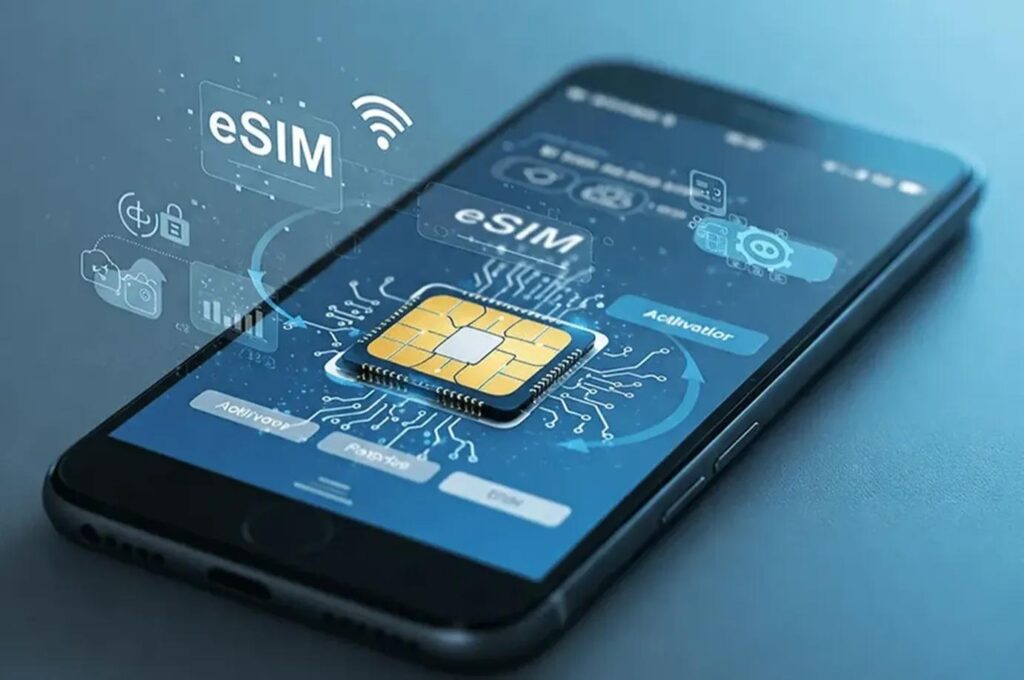
An eSIM is embedded directly into a device and allows network credentials to be installed digitally. Instead of inserting or replacing a physical SIM card, a user can download a profile and activate it within minutes.
From a technical standpoint, this simplifies several processes. Device manufacturers can reduce hardware complexity, and network providers can manage subscriptions remotely. For users, the experience is more straightforward, particularly when moving between regions.
There are still limitations, of course. Not all devices support eSIM, and compatibility can vary between providers. However, the general direction of development suggests that physical SIM cards may become less central over time.
Virtual Phone Numbers as a Layer of Abstraction
Virtual phone numbers add another level of flexibility. Unlike conventional numbers that are tied to a SIM and a specific network, virtual numbers exist within cloud-based systems. Calls and messages are routed through internet infrastructure rather than a fixed telecom endpoint.
In practice, this allows users to maintain a consistent number while changing devices or locations. It also enables the use of multiple numbers without the need for additional hardware.
This is particularly useful in environments where communication roles overlap. For instance, a single device may handle personal, professional, and regional communication channels simultaneously.
Combined Use in Modern Systems
When eSIM and virtual numbering are used together, they form a more adaptable communication framework. The eSIM provides network access, while the virtual number defines how communication is received and managed.
This separation between connectivity and identity is one of the more interesting aspects of current telecom development. It allows systems to be designed with greater flexibility, especially in distributed environments.
In applied settings, various commercial platforms illustrate this model. Services such as eSIM Plus, among others, demonstrate how users can combine digital connectivity with virtual numbering to operate across regions without changing physical components.
Observed Advantages
There are several practical benefits associated with these technologies, although they depend on the context in which they are used.
First, there is a noticeable improvement in deployment speed. Setting up connectivity no longer requires physical distribution. Second, users can switch between networks or maintain multiple profiles with relatively little effort.
There is also a degree of cost control, particularly in international scenarios where traditional roaming charges can be unpredictable. While not always cheaper in every case, the pricing structures tend to be more transparent.
Limitations and Ongoing Issues
Despite these advantages, some challenges remain. Regulatory frameworks differ between countries, and not all regions fully support virtual number usage. Security is another consideration, especially when communication relies heavily on cloud-based routing.
Additionally, the user experience is not always consistent. Some services are easier to configure than others, and the level of technical understanding required can vary.
These issues are not necessarily barriers, but they do indicate that the technology is still evolving.
Conclusion
eSIM technology and virtual phone numbers reflect a broader shift in how communication systems are designed. Rather than being tied to physical components, connectivity is becoming more software-driven and adaptable.
While the transition is still ongoing, the direction is clear. As devices, networks, and services continue to develop, these technologies are likely to play a more central role in everyday communication, particularly in contexts that require flexibility and mobility.

